What Actually Makes a Trash Can Unsanitary?
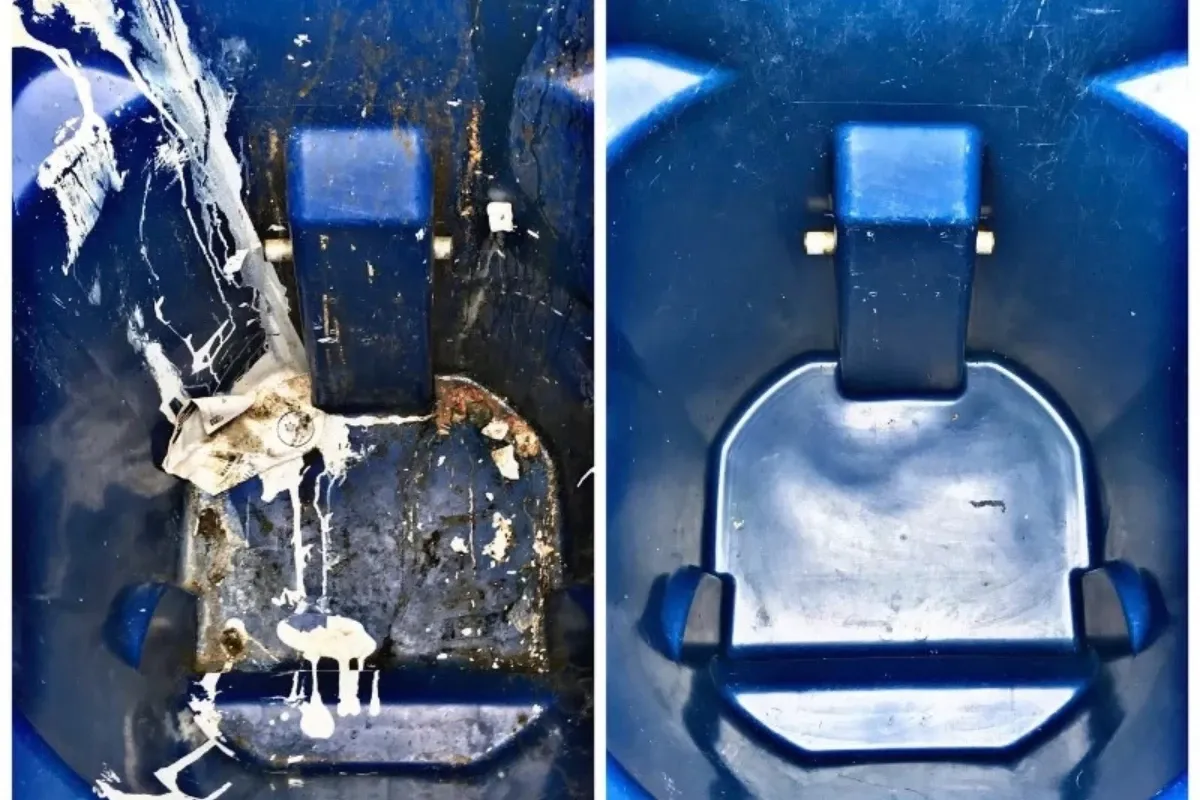
A trash can does not become unsanitary simply because garbage has been inside it. The bigger issue is what the garbage leaves behind: food residue, leaking liquids, moisture, grease, grime, and organic material that can cling to the walls, bottom, lid, and handles long after collection day.
That distinction matters. An empty bin can still be dirty, and a bin that looks reasonably clean can still have residue in corners and on surfaces you touch regularly. For River Ridge homeowners who want more than an occasional hose rinse, a professional trash can cleaning service can provide a deeper cleaning process designed around the parts of the cart where buildup tends to remain.
Here is what actually makes a household trash can unsanitary and what you can do about it.
Food Residue Is One of the Biggest Problems
Food waste is usually contained in bags, but bags are not perfect barriers. A small tear, an overfilled bag, or a loosely tied top can allow sauces, meat juices, grease, spoiled food, and other organic material to reach the inside of your trash cart.
After the garbage truck empties the bin, that residue can remain behind.
Common trouble spots include:
The bottom of the cart, where liquids collect
Seams and corners where material gets trapped
The area beneath the lid
Interior walls where bags rub or leak
Hinges and other areas that are difficult to reach with a quick rinse
Once organic residue dries onto the surface, simply spraying the bin with a garden hose may remove loose material without removing all of the stuck-on grime.
Leaking Trash Bags Leave More Than a Bad Smell
A leaking bag can turn a relatively clean cart into a messy one in a single trash cycle.
Liquids can spread across the bottom of the bin and splash onto the sides when the cart is moved. Depending on what was thrown away, that liquid may contain food particles and other household waste that continues to create odor after the bag itself is gone.
This is also why putting a fresh bag into an outdoor trash cart does not actually clean the cart. It only covers the surface until the next collection.
Using appropriately sized, durable trash bags and avoiding overfilling them can help reduce leaks, but occasional spills are difficult to avoid completely.
Moisture Helps Grime Stick Around
Water alone is not inherently a sanitation problem, but a consistently damp bin gives residue more opportunity to linger.
Moisture may enter a trash can through:
Leaking garbage bags
Rain entering around an open lid
Wet food waste
Beverages or other liquids thrown away before being emptied
Water left behind after rinsing
Warm, humid conditions can also make trash odors develop quickly when organic waste remains inside the cart. That is especially relevant in Southeast Louisiana, where bins routinely sit outdoors in hot, humid weather.
Keeping the lid closed and allowing a cleaned bin to dry can help reduce unnecessary moisture.
A Strong Odor Usually Points to Residue, Not Just Garbage
People sometimes assume a trash can smells simply because it is used for trash. Fresh garbage certainly creates odors, but a strong smell that remains after collection often indicates that some material is still inside the bin.
Possible sources include grease, food particles, dried liquids, decomposing organic material, and residue caught along the bottom or walls.
Spraying fragrance into the bin may temporarily change what you smell, but it does not remove the underlying material. Cleaning the surface that is producing the odor is the more useful first step.
Even after a thorough cleaning and deodorizing, odors can eventually return as new waste is placed in the cart. Trash can maintenance is about controlling buildup, not promising that a working garbage bin will never smell again.
Flies and Maggots Usually Start With Accessible Organic Waste
Flies are attracted to many types of decomposing organic material. If food residue is available inside or around a trash cart, the bin can become more attractive to them.
Maggots are fly larvae, so finding them in a garbage can often means flies had access to suitable organic waste.
Keeping waste securely bagged, closing the lid, cleaning spilled food promptly, and removing residue from the bin can make conditions less inviting. Cleaning is not pest control, however, and no trash can cleaning method can guarantee that flies, ants, roaches, rodents, or other pests will never approach a bin again.
The Lid and Handles Can Be Dirty Too
The interior gets most of the attention, but the surfaces you touch deserve consideration as well.
Think about a normal trash-day routine. You may grab the lid to add another bag, pull the cart by its handle, move it to the curb, and bring it back after collection. Dirty hands, leaking bags, airborne grime, and splashes can all leave residue on exterior surfaces.
A complete trash can cleaning should therefore consider more than the floor of the cart. Apex Bin Cleaning's process includes sanitizing and deodorizing both the inside and outside after the wash cycle.
Basic hand hygiene still matters after handling household garbage or a dirty trash cart.
Why a Garden Hose May Not Be Enough
There is nothing wrong with rinsing your own garbage can. A hose can be useful for removing loose debris, surface dirt, and some fresh residue.
Its limitations become clearer when grime has dried onto the plastic or settled into difficult-to-reach areas.
A typical DIY rinse might involve spraying water into the cart, tipping it out, and allowing the bin to dry. More involved household cleaning may include scrubbing with an appropriate cleaner and brush.
Professional cleaning can take the process further through specialized equipment.
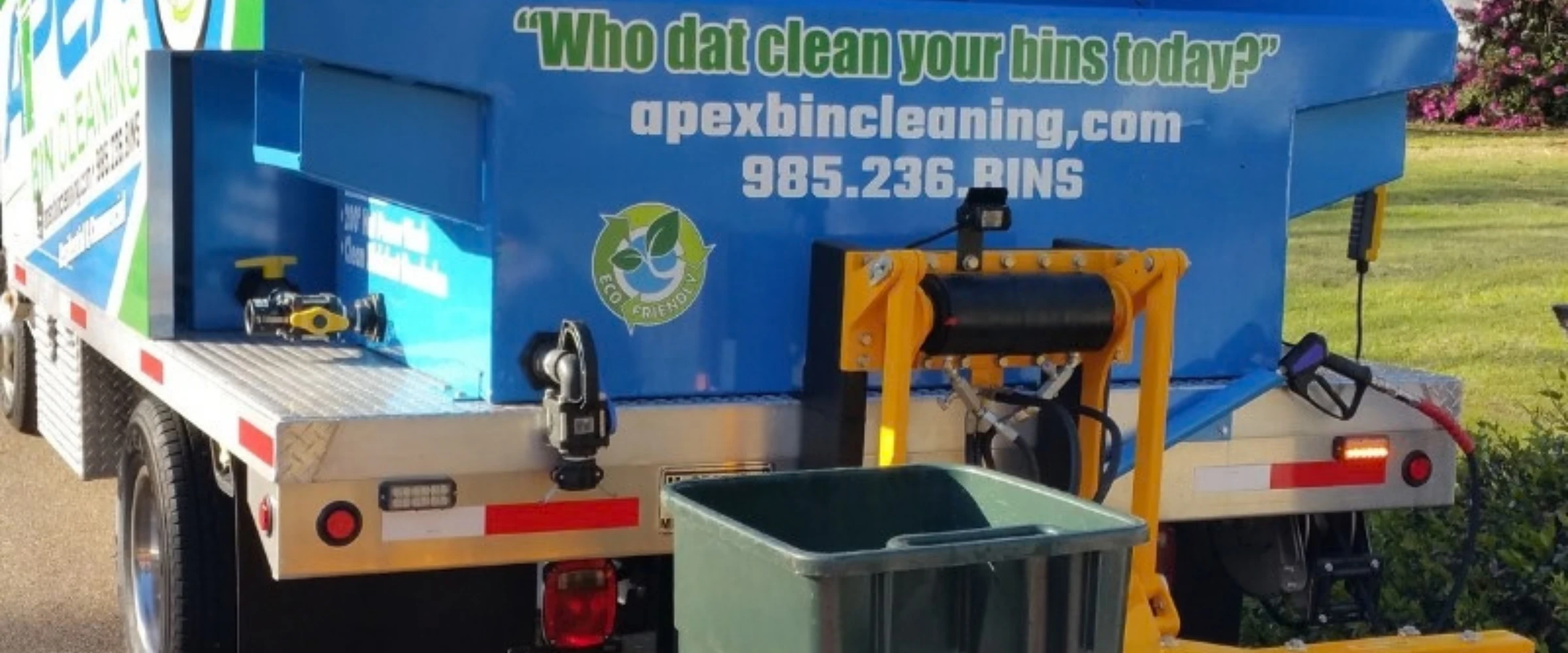
At Apex Bin Cleaning, we place the bin into a truck-mounted system where hydraulic arms rotate it over high-pressure spray heads. We use water heated to around 200 degrees to loosen grease, spills, and stuck-on residue. Our published cleaning process states that this system helps remove up to 99.9% of common bacteria such as E. coli, Salmonella, and Listeria. After washing, we sanitize and deodorize the interior and exterior.
Our system is also self-contained, keeping dirty wash water and waste inside the truck rather than allowing the cleaning runoff to flow down the driveway or into storm drains.
That is a different process from simply pressure washing the outside of a cart.
What Makes a Trash Can Look Clean but Still Need Attention?
Visible cleanliness can be misleading.
A cart might appear empty and relatively clean from above while still having:
Dried residue on the bottom
Grease along the walls
Material beneath the lid
Sticky areas around hinges
Old spills in corners
Grime on the handles
Odor can provide another clue, but smell is not a perfect measure of sanitation either. Some residue produces a strong odor, while other grime may not smell particularly noticeable.
Instead of relying on appearance or odor alone, occasionally inspect the surfaces inside the cart after it has been emptied.
Simple Habits That Help Keep Your Bin Cleaner
Professional cleaning can remove accumulated buildup, but what happens between cleanings also matters.
Bag household garbage rather than placing loose waste into the cart. Jefferson Parish instructs residents receiving its curbside service to place household garbage in bags inside the provided cart. The parish also provides an online tool for checking local pickup days.
You can also reduce mess by tying bags securely, avoiding overfilling, draining unnecessary liquids before disposal when appropriate, keeping the lid closed, and cleaning fresh spills before they dry.
If you rinse the bin yourself, allow it to dry before adding more waste when practical. Persistent moisture combined with food residue tends to create more cleaning work later.
Useful Resources for Cleaner Trash-Can Habits
A few consumer and government resources can help reduce the amount of residue that reaches your outdoor cart in the first place.
EPA Safer Choice helps consumers identify cleaning products that meet EPA criteria for safer chemical ingredients. The program can be useful when comparing household cleaners for routine maintenance. Always follow the product label and confirm that a cleaner is appropriate for the surface and intended use.
EPA's Safer Choice product search lets you browse products that meet the agency's Safer Choice Standard, including filters for products marketed for outdoor use.
Glad trash bags are one example of widely available household bags in different sizes and strengths. Choosing a bag that fits your indoor trash can and handles the type of waste you generate can help reduce tears and leaks before garbage reaches the outdoor cart.
Jefferson Parish curbside garbage collection provides local guidance on household garbage, carts, placement times, and collection schedules for residents covered by parish service, including River Ridge.
Never mix household cleaning chemicals. Follow manufacturer directions, ventilation guidance, protective-equipment instructions, and material-compatibility information on the label.
How Professional Cleaning Fits Into Trash Day
One practical advantage of professional curbside bin cleaning is that it can happen while the cart is already outside and empty.
With our process, you leave the bin at the curb following trash collection. We arrive the day after the bins are emptied, clean them with our truck-mounted system, sanitize and deodorize them, and return them to the curb. If a small amount of trash was left after collection, we can bag it before cleaning and return the bag afterward. River Ridge is among the Southeast Louisiana communities we serve.
For homeowners who would rather not scrub old food residue and grime by hand, a recurring or one-time trash can cleaning service provides another way to manage buildup.
How often you need that service depends on factors such as household size, the amount of food waste you generate, how frequently bags leak, where the cart is stored, seasonal heat, odor, and your own preference. There is no single cleaning schedule that every household needs.
Frequently Asked Questions About Unsanitary Trash Cans
Can an Empty Trash Can Still Be Dirty?
Yes. Emptying the garbage removes the bags and loose waste, but liquids, food particles, grease, and other residue may remain attached to the interior surfaces.
Why Does My Trash Can Still Smell After I Rinse It?
A quick rinse may remove loose debris without removing dried or greasy material. If the source of the odor remains on the bottom, walls, lid, or seams, the smell may continue.
Does a Bad Smell Mean My Trash Can Is Dangerous?
Not necessarily. Odor is usually a sign that waste or organic residue is present or has been present, but smell alone does not tell you exactly what microorganisms are on a surface. Cleaning visible buildup is a sensible way to improve the condition of the bin without making unsupported assumptions about health risks.
Can I Clean My Trash Can Myself?
Yes. Homeowners can clean their own bins with suitable tools and cleaning products. A hose can handle loose debris, while stubborn buildup may require more thorough scrubbing. Follow product instructions, use appropriate protective equipment, and never mix cleaning chemicals.
Does Cleaning a Trash Can Prevent Maggots?
Cleaning can remove food residue that may attract flies, which can make the bin less appealing to them. It cannot guarantee that maggots or flies will never return, particularly when new food waste is continually placed inside the cart.
Should I Clean the Outside of the Bin Too?
It is sensible to clean areas that accumulate visible grime, particularly the lid and handles you touch frequently. Exterior surfaces may pick up dirt and residue even though they do not directly hold household garbage.
How Often Should a Trash Can Be Professionally Cleaned?
It depends on how the bin is used. A household that produces substantial food waste or experiences frequent bag leaks may prefer more regular cleaning than a household with little organic waste. Apex offers one-time, quarterly, and monthly cleaning options, giving homeowners several maintenance approaches rather than requiring one universal schedule.
Do I Have to Be Home for Apex Bin Cleaning?
No. As long as the eligible bin is empty and left at the curb or end of the driveway as directed for service, you do not need to be home during cleaning.
Keep the Residue From Becoming the Permanent Part of Your Trash Can
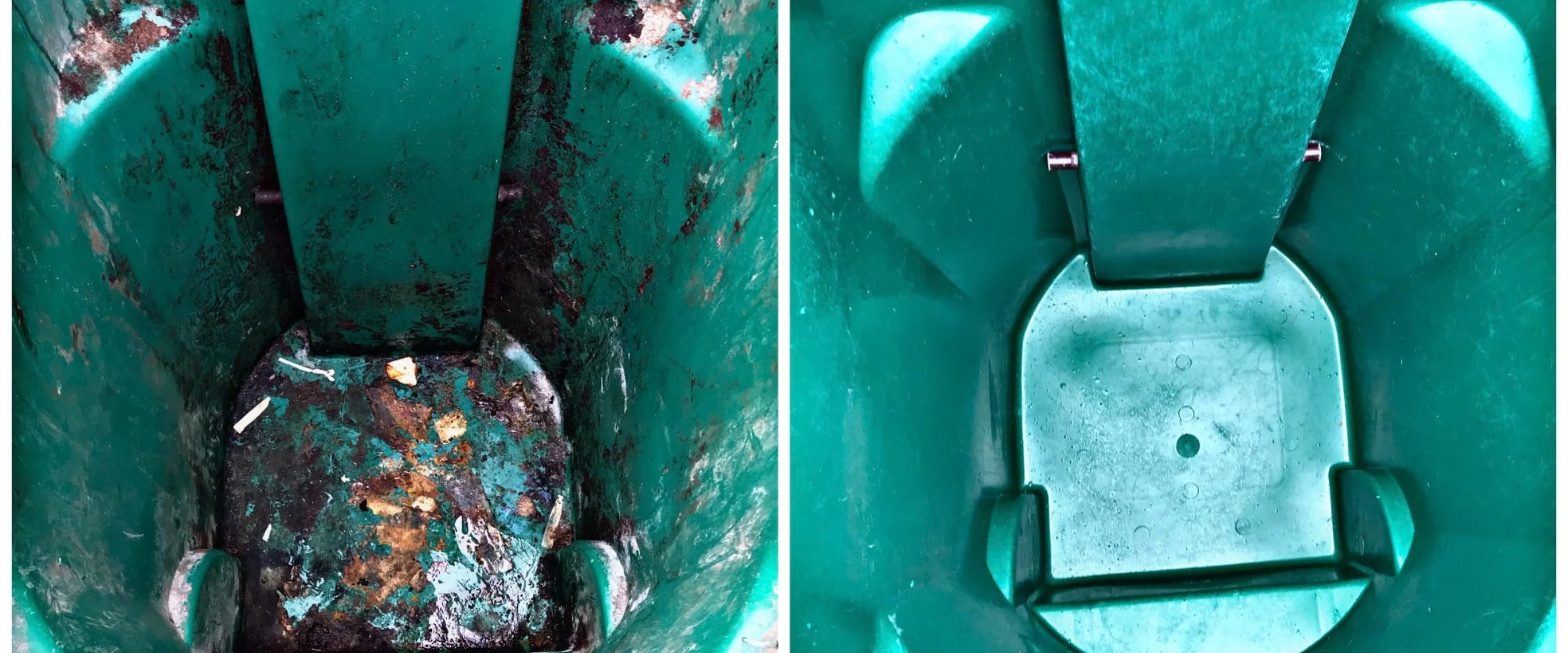
What makes a trash can unsanitary is not the fact that it holds garbage. It is the residue the garbage leaves behind: leaking liquids, food particles, grease, moisture, stuck-on grime, and organic buildup that can remain after collection.
Good bagging habits, prompt attention to spills, occasional cleaning, and keeping the cart reasonably dry can all help. When buildup becomes difficult to remove, or you simply do not want to clean the cart by hand, a professional trash can cleaning service offers a more thorough option.
Apex Bin Cleaning provides trash can cleaning service in River Ridge and surrounding Southeast Louisiana communities, with one-time and recurring curbside bin cleaning options. To ask about service or choose the right cleaning schedule for your household, call 504-233-8380 or Contact Us.


