How to Prevent Trash Bags From Leaking Inside Your Garbage Can
A small leak at the bottom of a trash bag can turn into a surprisingly unpleasant mess. Food liquids, drink residue, and other waste can collect at the bottom of your garbage can, where a quick bag change will not remove them.
Preventing leaks starts with choosing the right bag, handling wet waste carefully, and avoiding habits that cause bags to tear. When residue has already collected, periodic trash can cleaning can also help remove the grime and odors that ordinary bag changes leave behind.
Here is how to keep more of the mess inside the bag instead of inside your garbage can.
Choose a Trash Bag That Actually Fits the Can
Bag size is one of the first things to check if leaks happen regularly.
A bag that is too small gets stretched tightly around the rim and sides of the can. As you add waste, that tension can make the plastic more vulnerable to punctures, seam failures, and tears. A bag that is much too large can bunch at the bottom, making it easier for heavy or sharp trash to press into folds in the plastic.
Check the capacity of your indoor garbage can and choose bags designed for a similar size. The top of the bag should have enough material to sit securely around the rim without being stretched to its limit.
Fit matters for outdoor garbage carts as well. If you use a separate liner inside the cart, make sure it is large enough for the container and does not need to be pulled excessively to stay in place.
Do Not Overfill the Bag
Trying to fit one more plate, takeout container, or handful of kitchen waste into an already full bag can cost you more cleanup later.
An overfilled bag places extra pressure on its:
bottom seam
sidewalls
drawstring area
points where rigid objects press against the plastic
Leave enough room to close the top securely without having to compress the garbage. If you need to push down hard just to tie the bag, changing it sooner is usually the better option.
Weight matters too. A bag may have plenty of unused space but still be too heavy because it contains liquids, food waste, cat litter, or other dense materials.
Drain Liquids Before Putting Containers in the Trash
One of the simplest ways to reduce leaks is to limit how much free liquid goes into the garbage bag in the first place.
Before throwing away an appropriate container, empty leftover liquids according to local disposal guidance. Depending on what is being discarded, that could include leftover beverages or liquid collected in food packaging.
Do not pour grease, chemicals, medications, paint, or other materials down a drain simply to keep them out of the garbage. Those products can have specific disposal requirements.
The goal is not to make every piece of trash completely dry. It is to avoid putting unnecessary amounts of loose liquid into a bag that can puncture or split before trash day.
Wrap Especially Wet Food Waste
Food waste is a common source of liquid at the bottom of garbage cans. Meat packaging, seafood scraps, fruit, leftovers, and other organic material can release moisture after sitting in a bag.
For particularly wet household waste, you can place it in a smaller securely closed bag before putting it into the main garbage bag. This provides another layer of containment if the inner packaging leaks.
Absorbent material can sometimes help with small amounts of moisture as well. Use only materials appropriate for household waste, and follow your local trash and recycling requirements.
Keeping food residue contained has another benefit: less organic material ends up smeared across the interior walls and bottom of your cart.
Watch for Sharp Edges and Puncture Hazards
Not every leaking garbage bag fails at a seam. Many develop small punctures that are difficult to see.
Common culprits include:
broken plastic
rigid food packaging
sharp cardboard corners
disposable utensils
opened cans or lids
sticks and other pointed debris
Do not place hazardous sharp objects into household trash unless they are prepared and disposed of according to applicable local requirements. For ordinary packaging with a pointed edge, position it so it is less likely to press directly through the side or bottom of the bag.
You should also avoid pushing trash down with your hands. Besides the risk of encountering something sharp, compacting the contents creates more pressure against the bag.
Keep Heavy Items Away From the Bottom Seam
The bottom of a trash bag carries the weight of everything above it. If heavy items concentrate in one spot, the seam and surrounding plastic experience more stress.
Spread heavier household waste throughout the bag when practical rather than dropping several dense items directly on top of each other.
If something is unusually heavy, consider whether it belongs in ordinary household trash at all. Municipal waste rules may provide different instructions for construction debris, electronics, appliances, hazardous materials, and oversized items.
Check the Bag Before Removing It From the Indoor Can
Sometimes a leak begins inside the kitchen but becomes a much bigger mess on the way to the outdoor garbage cart.
Before lifting a full bag:
Look for visible moisture at the bottom of the indoor can.
Check whether the bag appears stretched or punctured.
Close the drawstring or ties securely.
Support an unusually heavy bag rather than swinging or dragging it.
If the bag is damaged, place it inside another appropriately sized bag before carrying it through your home.
Catching a leak early is much easier than cleaning a trail of garbage liquid across a floor, garage, driveway, and outdoor cart.
Do Not Assume a Second Bag Fixes Every Problem
Double-bagging can provide useful backup for unusually wet or potentially messy household trash, but it does not replace good waste habits.
If you routinely need two bags for ordinary kitchen garbage, look for the underlying problem. Your bags may be undersized, overloaded, frequently punctured, or simply not suited to the type of waste your household produces.
A stronger or better-fitting bag can sometimes be a more practical solution than using twice as many bags every week.
What to Do After a Trash Bag Leaks Inside the Can
Once garbage liquid reaches the bottom of the can, removing the damaged bag is only the first step.
Pick up any remaining solid debris and clean the affected surfaces. If you use a household cleaner or disinfectant, read the product label carefully, confirm that it is appropriate for the bin's material, and follow all use directions. Never mix cleaning chemicals.
A quick hose rinse may remove loose debris and some visible residue, but residue can remain along the bottom, walls, corners, and areas around the lid.
If leaks and buildup have accumulated over time, professional cleaning can provide a more thorough option.
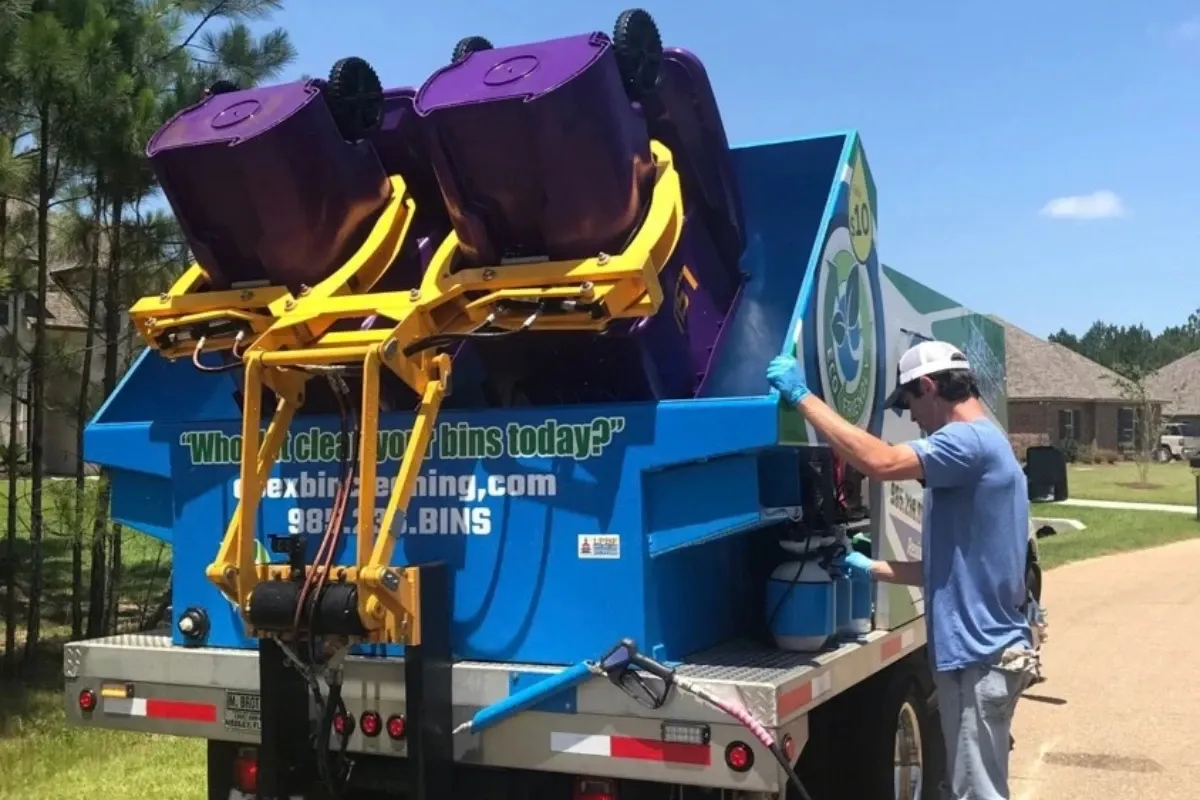
At Apex Bin Cleaning, we provide curbside service after trash collection. Our process uses high-pressure hot water to clean buildup from the bins, followed by sanitizing and deodorizing. No specific cleaning temperature needs to be guessed at to understand the difference between this process and simply spraying the cart briefly with a garden hose.
Why Leaked Garbage Can Start Smelling So Quickly
The bag may be gone, but the material it left behind can remain.
Common sources of garbage-can odor include:
food residue
liquid from household waste
moisture trapped at the bottom
organic material stuck to the walls
spills around the lid
buildup that was never fully removed
Warm conditions can make organic waste break down more quickly, so preventing leaks is particularly useful during hot weather. Cleaning also matters because adding a new bag does not remove residue already coating the container.
Deodorizing can make a freshly cleaned cart more pleasant, but no cleaning process can permanently prevent odors once new garbage and food waste are placed inside again.
Could Leaking Bags Attract Flies?
Food residue and organic waste can make a garbage can more attractive to flies and other pests. A torn bag that leaves food material on the bottom or walls gives that residue more opportunity to remain in the cart after collection.
Keeping bags intact, closing them properly, and removing residue can make the environment less inviting to pests. Cleaning should not, however, be treated as pest control or a guarantee that flies, ants, roaches, maggots, rodents, or other pests will never appear.
Good waste containment and regular maintenance simply reduce some of the conditions that attract them.
Useful Products and Resources for Preventing and Cleaning Up Leaks
The right household products can make leak prevention and cleanup easier. These are general consumer resources and are not products that Apex Bin Cleaning claims to use or endorse.
Glad ForceFlex Kitchen Drawstring Trash Bags
Glad lists features including rip, tear, puncture, and leak resistance on its ForceFlex kitchen bags. Check the bag size against your garbage can rather than choosing solely by brand or strength claims.
Hefty Ultra Strong Large Trash Bags
Hefty describes its Ultra Strong large bags as resisting leaks, punctures, rips, and breaks. A larger or stronger bag can be useful for some types of household waste, but avoid exceeding the bag's intended use or overloading it.
EPA Safer Choice
The U.S. Environmental Protection Agency's Safer Choice program helps consumers identify cleaning products that meet its criteria for ingredients considered safer for human health and the environment. It can be a useful starting point when comparing household cleaners.
EPA Guidance on Registered Disinfectants
If you choose to disinfect a hard surface after cleaning it, EPA guidance can help you understand product labels, appropriate use sites, and contact-time instructions. Always follow the actual product label, and never mix cleaning products.
When Professional Trash Can Cleaning Can Help
Preventing leaks will reduce future messes, but it does not remove months of existing grime.
You may want a deeper cleaning when:
old liquid residue has collected at the bottom
food has become stuck to the interior
odors remain after a basic rinse
a bag has torn and spread waste throughout the cart
you would rather not scrub the container yourself
recurring leaks have created noticeable buildup
Professional service is not the only way to maintain a garbage can. Homeowners can clean their own carts. The difference is that a quick household rinse primarily addresses loose debris, while a more thorough cleaning process can address buildup on the container more completely.
For River Ridge households that want help maintaining their carts, our trash can cleaning service is performed curbside after trash day. We currently offer recurring monthly and quarterly options as well as one-time cleaning, so homeowners can choose an approach that fits the amount of buildup and maintenance they want.
Frequently Asked Questions About Leaking Trash Bags
Why Does My Trash Bag Keep Leaking From the Bottom?
Punctures, excess weight, too much liquid, overfilling, and stress on the bottom seam can all cause leaks. Check both the bag's size and how you are loading it. If the bag is stretched tightly around the can or routinely holds a large amount of wet waste, a different size or construction may work better.
Should I Double-Bag Wet Garbage?
Double-bagging can provide added containment for an unusually wet or damaged bag. It does not necessarily need to be your everyday solution. Reducing free liquids and using an appropriately sized, puncture-resistant bag may prevent the problem with less plastic.
Can I Put Paper Towels at the Bottom of the Trash Bag?
Absorbent material can collect small amounts of moisture, but it should not be used to compensate for large volumes of liquid. The more effective approach is usually to drain appropriate containers and keep especially wet waste contained before placing it in the main bag.
Why Is There Liquid in My Garbage Can Even When the Bag Is Not Torn?
Moisture can enter a garbage can in several ways. Liquid may spill down the outside of the bag, condensation can develop, rain can enter an outdoor cart with an open lid, or a very small puncture may be difficult to see.
Will Rinsing the Garbage Can With a Hose Remove the Smell?
A hose can remove loose dirt and visible debris, and it may be sufficient for light maintenance. If food residue or liquid has dried onto the interior surfaces, however, rinsing alone may leave some buildup behind.
How Often Should a Garbage Can Be Cleaned?
There is no single schedule that works for every household. Consider the amount of food waste you generate, household size, leaks, odors, weather, how quickly residue accumulates, and your own preference. Households that regularly deal with wet food waste may want more frequent cleaning than households whose carts stay relatively clean.
Does Cleaning a Garbage Can Prevent Maggots?
Keeping food residue and organic buildup under better control may make the cart less attractive to flies, but cleaning cannot guarantee that maggots or other pests will never appear. Properly containing food waste and keeping the lid closed when possible are also useful habits.
What Should I Do if a Bag Breaks Inside My Outdoor Cart?
Remove remaining loose waste carefully, clean any liquid and residue from the container, and allow the cart to dry when practical. Follow product directions if using a household cleaner or disinfectant. If the mess is extensive or you do not want to handle the cleanup yourself, professional bin cleaning is another option.
Keep the Waste in the Bag, Not on the Bottom of the Can
Most trash-bag leaks are easier to prevent than to clean up. Start with a properly sized bag, avoid overloading it, minimize loose liquids, watch for puncture hazards, and replace the bag before it becomes excessively heavy.
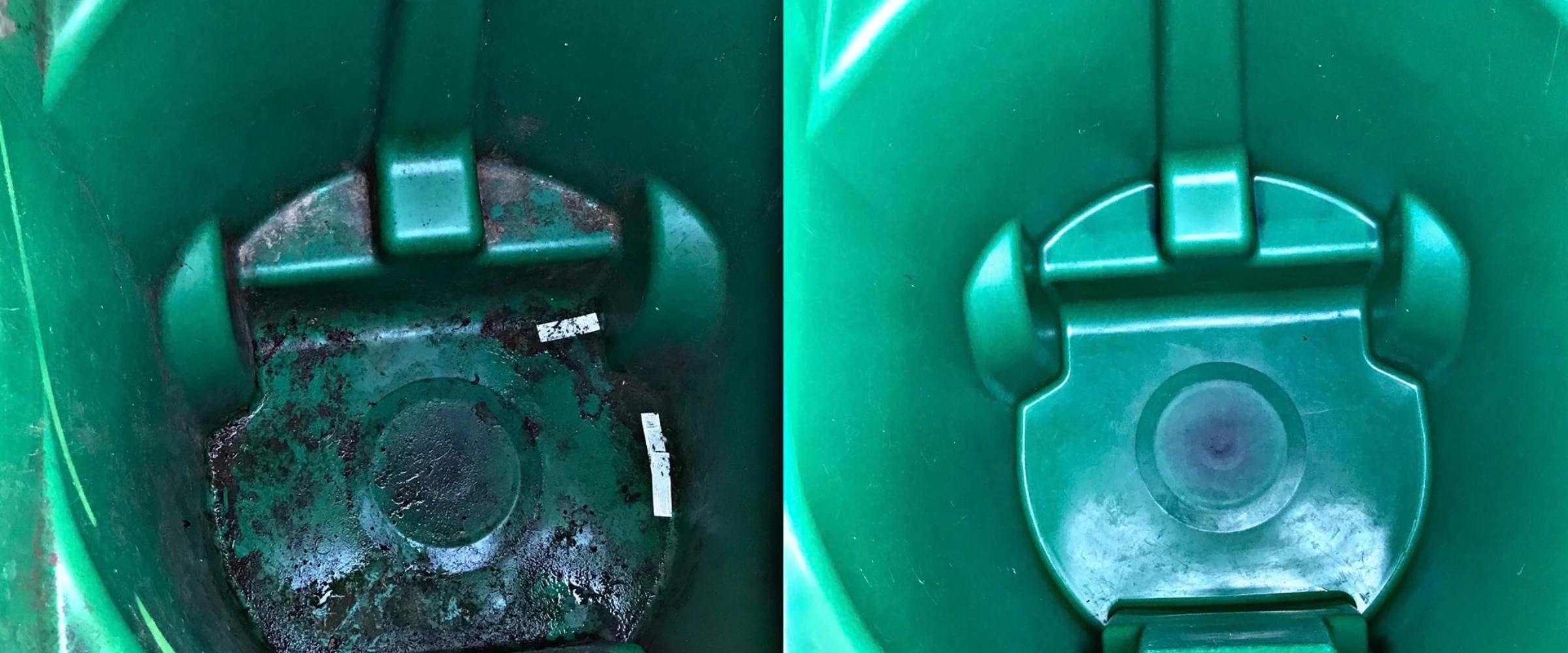
Leaks will still happen occasionally. When they do, removing the bag without cleaning the residue can leave behind grime and odors that build up over time. Regular trash can cleaning can help remove that leftover residue and keep your garbage can cleaner between pickups.
Apex Bin Cleaning provides curbside trash can cleaning for River Ridge and other communities across Southeast Louisiana, with service scheduled around trash collection. To discuss your bins or schedule service, call 504-233-8380 or Contact Us.


